
When visitors think of Santa Cruz, the imagery is often immediate and iconic: retro roller coasters along the historic Beach Boardwalk, classic surfing spots off West Cliff Drive, and misty groves of coastal redwoods. While these attractions remain foundational to Monterey Bay tourism, they tell only part of the story. Beneath the surface of this coastal vacation destination lies a resilient, deeply rooted creative ecosystem that defines what it truly means to live in Santa Cruz County.
In 2026, as coastal development pressures and shifting economic dynamics reshape Northern California, the local creative community has taken on a vital responsibility. Beyond producing aesthetics, Santa Cruz artists, musicians, craftspeople, and cultural non-profits serve as the guardians of regional identity. From the vibrant murals of downtown to the artisan wood shops hidden in the San Lorenzo Valley, Santa Cruz’s arts scene is actively preserving the soul of the community.
The Evolution of Santa Cruz’s Creative Identity
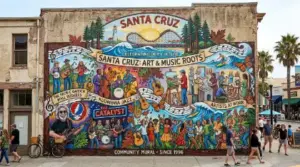 To understand the significance of today’s local art scene, one must look at how Santa Cruz built its reputation as a countercultural and artistic haven. During the late 1960s and 1970s, the region became a magnet for independent painters, sculptors, printmakers, and musicians seeking freedom from urban commercialization. The founding of the University of California, Santa Cruz (UCSC) further infused the area with intellectual and creative energy, creating an environment where artistic experimentation was encouraged.
Over the decades, this bohemian spirit evolved into an organized local creative economy. Today, that legacy faces new challenges. Rising housing costs and commercial real estate demands have placed pressure on working artists. However, rather than diminishing, the creative community has responded by organizing, collaborating, and embedding art even more deeply into public spaces and daily local life.
Public Art as a Living Historical Record
Walk through downtown Santa Cruz, Watsonville, or Capitola, and you will notice that public art is not merely decorative—it is historical documentation. Murals across the county celebrate the diverse heritage that built the region, honoring agricultural workers, indigenous Ohlone ancestry, marine conservationists, and countercultural pioneers.
In recent years, community-led mural initiatives have transformed utility boxes, alleyways, and building facades into visual narratives. For instance, the ongoing investment in public art in South County highlights Watsonville’s rich agricultural history and Latinx culture, ensuring that regional identity reflects the contributions of all county residents.
These public visual pieces function as open-air galleries accessible to everyone, regardless of socioeconomic background. By integrating historical storytelling into everyday visual pathways, the local arts scene ensures that residents remain connected to their shared roots.
Bridging Mountain and Coastal Cultures
Santa Cruz County features a unique geographic duality: the sunny coastal towns along Monterey Bay and the heavily forested mountain communities of the Santa Cruz Mountains, including Felton, Ben Lomond, and Boulder Creek. Each region possesses its own distinct personality, and local arts serve as the bridge connecting them.
Coastal Visuals and Surf Art Heritage
Along the coast, art remains deeply interwoven with surf culture and ocean conservation. Local galleries frequently feature works created from reclaimed driftwood, ocean plastics, and vintage surfboards. Printmakers and painters capture the evolving coastline, capturing how natural erosion and seasonal shifts alter the landscape. This body of work serves both an artistic and ecological purpose, raising public awareness around coastal preservation.
Mountain Craft and Redwood Artisanry
Inland, in the San Lorenzo Valley, the artistic focus shifts toward craftsmanship, woodworking, folk music, and tactile sculpture. Surrounded by ancient redwood trees, mountain artists often draw direct inspiration from forest ecosystems. Local venues like the Felton Music Hall and regional craft fairs provide platforms for musicians and artisans who maintain traditional folk arts, acoustic music, and handmade goods that have defined mountain living for generations.
Grassroots Venues and Community Cultural Hubs
The preservation of regional identity requires physical gathering spaces where community members can connect. Santa Cruz has long relied on independent, grass-roots venues that prioritize cultural value over commercial mass appeal.
- Abbott Square Market: Located in the heart of downtown Santa Cruz adjacent to the Museum of Art & History (MAH), this open plaza acts as a central community hub, offering free performances, public workshops, and cultural festivals year-round.
- Kuumbwa Jazz Center: A non-profit venue that has hosted world-class jazz and global music for decades, reinforcing Santa Cruz’s reputation as a serious hub for musical appreciation.
- Tannery Arts Center: A dedicated campus providing affordable housing and studio spaces for working artists, performing arts companies, and creative non-profits, ensuring creators can afford to live and work locally.
- Bookshop Santa Cruz: While primarily an independent bookstore, this local institution regularly hosts literary events, local author showcases, and community discussions that shape regional dialogue.
By protecting these venues from commercial redevelopment, community leaders and patrons ensure that Santa Cruz maintains spaces dedicated to creative expression and public discourse.
Supporting the Local Scene: How Residents and Visitors Participate
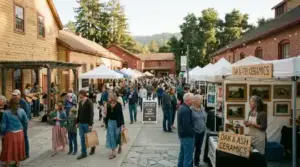
Preserving regional culture requires active participation. Whether you are a lifelong Santa Cruz resident or a visitor looking to experience the area beyond traditional tourist spots, there are numerous ways to support the local art scene directly:
- Attend First Friday Events: On the first Friday of every month, galleries, shops, and venues across Santa Cruz opening their doors for art walks, featuring local creators, live music, and refreshments.
- Participate in Open Studios Art Tour: Each October, hundreds of local artists open their private studios to the public, allowing visitors to meet creators, learn about their processes, and purchase original art directly from the source.
- Shop at Neighborhood Farmers Markets: Markets in Westside Santa Cruz, Downtown, Live Oak, and Felton feature local musicians, ceramicists, and craftspeople alongside regional organic produce.
- Support Community-Funded Cultural Grants: Organizations like Arts Council Santa Cruz County play a key role by funding youth art programs, public murals, and individual artist fellowships across the region.
Conclusion: The Future of Santa Cruz’s Cultural Legacy
As Santa Cruz County navigates the future, its identity will not be defined solely by geography or tourism campaigns. It will be shaped by the stories told, painted, sung, and crafted by the people who call this stretch of California home.
By elevating local voices, honoring diverse heritage, and maintaining spaces for independent expression, Santa Cruz’s arts scene is doing far more than providing entertainment. It is safeguarding a distinct way of life—ensuring that even as the world around it changes, Santa Cruz retains its creative, independent, and community-minded spirit for generations to come.